Philosophy, Structure, and Benefits
Training Philosophy and Structure
The training of our masters’ level clinicians and clinical psychologists is an essential part of the mission of the Portia Bell Hume Behavioral Health and Training Center. As such, The Hume Center is dedicated to the development of excellence in its Practicum Students, Doctoral Interns and Post-Doctoral Fellows as it supports its trainees in the delivery of health service psychology to diverse under- and unserved populations.


Philosophy of Training
The Hume Center’s guiding philosophy is that the key to helping others who are in psychological distress is to understand that the way they are seeing their circumstances gives rise to the way that they are interacting with the world. Symptoms are coping strategies that make sense when they are seen from the perspective of the client. The fundamental belief that underlies our approach is that all people want to be effective and want to express what they see as the truth about their lives, so we approach our work with them with compassion, openness, and respect.
Our approach to training at The Hume Center is based on the conviction that our trainees can best help others with compassion, openness, and respect when The Hume Center staff treats its trainees with those same attitudes. Our guiding philosophy is that trainees will do their best work and will learn best in an environment where relationships with supervisors, staff, and peers are valued and respected. Specifically, our approach to group supervision demonstrates our conviction that non-judgmental peer consultation greatly increases the value of the group experience for both presenters and participants.
Organizational Support Structure
As referenced above, The Hume Center strives to create a supportive work environment consistent with our therapeutic practice. Such a supportive work environment is essential to deliver the highest quality of training behavioral health professionals to serve our community. To make our expectations clear to everyone who joins the Hume Center at any level of the organization the person is given a copy of the Organizational Culture and the Welcome Letter at the time they join the organization. They are also oriented to the kind of support available in the organization to achieve our goal of creating a supportive work environment. The center has an organizational support system in place at all levels of the organization that nurtures an empowerment model of working together.
Training Elements
The experiential learning takes place through individual supervisory process and peer consultation support group. Mental health consultation theory and practice permeates throughout our supervisory process. Weekly, there is individual and group supervisory support (peer consultation support group). At a group level, clinicians receive peer consultation in their case conferences, supervisors participate in a case consultation group, and the management team also provides mutual support and consultation to its members.
This structure is also integrated into the trainee’s training structure. Weekly, there is individual and group supervisory support.
Training Department
If you have any questions related to the Training Department, including our application process, deadlines, open positions, and other training questions, please utilize the Contact Us page to connect with the Training Department
Christopher Celio, PsyD
Doctoral Director of Training
Alex Sanchez, PsyD
Doctoral Co-Director of Training
Edna Olivarez Gomez, LMFT
Masters Director of Training
Supervisors
Please visit our Clinical Supervisors page to learn about our supervisors.

Christopher J. Celio, PsyD
Doctoral Director of TrainingChristopher J. Celio, PsyD
Career Progression:
Dr. Chris Celio is a licensed psychologist, who started working in the mental health field in 2001 and originally trained to be a Child Psychologist, but found his calling when he joined the Hume Center as a Doctoral Intern in 2007. While this shifted his focus to serving adults diagnosed with serious mental illness, he brought with him an emphasis on the family and other systems that the consumer is a part of and a creative spirit that believes that healing and recovery can come through many surprising and outside-of-the-box pathways, beliefs, and persons.
Chris has helped Hume Center’s services in Contra Costa County expand into prevention and early intervention services, housing support, and full-service partnership services, which include case management, peer and family services, and homelessness prevention. He is currently working on a team at Hume Center developing behavioral health-informed independent housing.
Dr. Celio is excited about the impactful work being done by the Behavioral Health Consultation Training Center and is honored to be a part of it. Believing strongly in the power of the community, he has worked to create or support events like Mental Wellness Night with the Sharks, Community Living Room Conversations, and the annual Hope Cup Softball Tournament and Annual Bowling Tournament.
Notable Achievements / Areas of Interest:
Dr. Celio is proud to have been awarded the Hope Award by the SPIRIT Classes of 2017, 2018, 2022, 2024, and 2026, the Community Partnership Award in 2018 and the Unsung Hero Award in 2022 by the Putnam Clubhouse, and the Committed Clinician Award by NAMI Contra Costa in 2019. He was honored to be chosen by Contra Costa Behavioral Health to moderate their first “Bust Stigma”; event at Brenden Theatre for Recovery Month 2019, by Putnam Clubhouse to moderate their Reimagine Mental Health Care Conference in 2020 and 2021, by TogetherWell to speak as a panelist during their “The Power of Support and Advocacy in Peer Mental Health”; in 2021, and by California Code Enforcers Leadership Conference to speak on leadership in 2026.
License:
Clinical Psychology
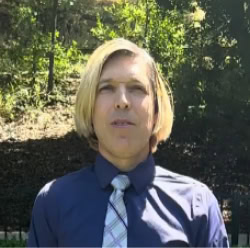
Alex Sanchez, PsyD
Doctoral Co-Director of TrainingAlex Sanchez, PsyD
Background:
To support all Hume Center employees in remaining focused on our shared goal, which is to help the community deal with suffering and challenges that prevent the community from living a peaceful life.
Career Progression:
Dr. Alex Sanchez is currently the Acting Director of Training for the Doctoral Training Program, as well as the Clinical Director, providing leadership for the Hume Center’s Partial Hospitalization Program (PHP). He facilitates the Doctoral Level Didactic Training Track, provides clinical supervision for clinicians in training, and treats his own caseload of patients. He is a supervisor in the Mentored Internship Program, a project aimed at diversifying and growing the behavioral health workforce. Finally, he provides Community Behavioral Health Consultation to the staff of an outside agency, the People Who Care Children’s Association, as part of a special arrangement to support their mission of helping at-risk youth.
Dr. Sanchez has worked for over half a decade in classrooms as an educator, and for two decades in the field of mental health. He originally entered into the field while preparing for medical school, choosing to direct his career towards emotional healing rather than physical healing. His early training focused on research, assessment and behaviorism, which brought him into community mental health in the mid-2000’s, when he helped found the non-profit organization Community Options for Families and Youth. As the first employee and only psychologist, Dr. Sanchez laid the groundwork for the agency’s clinical model of practice, and assisted in developing the internal organizational structures of the company. After assisting in the growth of the company from 3 to 30 employees, Dr. Sanchez moved next to the Portia Bell Hume Behavioral Health and Training Center to continue his education in psychotherapy and consultation. He continues to practice at the Hume Center ever since.
Notable Achievements / Areas of Interest:
Alex is a founding member and preceptor in the Community Mental Health Training Center.
Education:
Doctorate in Clinical Psychology, The Wright Institute
Masters in Clinical Psychology, The Wright Institute
Bachelor’s of Science, Brown University
Licenses:
Clinical Psychologist

Edna Olivares Gomez, LMFT
Masters Director of TrainingEdna Olivares Gomez, LMFT
Background:
I am committed to serving marginalized populations, particularly Spanish-speakers and immigrants, by developing and implementing programs aimed at supporting children, youth, and their families. I am dedicated to preparing clinicians who will make a meaningful impact on the lives of their clients.
Career Progression:
Edna Olivares Gómez serves as the Director of Training of the Master’s Program at the Hume Center. Originally from Mexico City, her professional journey began in 2007 working in clinics, schools, and private practice, primarily focusing on children, adolescents, and families. She joined the Hume Center in 2018 as a Bilingual Associate Mental Health Clinician, with a primary focus on serving the Spanish-speaking population in the Tri-Valley area. Edna has taken on various leadership roles within the Hume Center. She became the lead consultant for the School Based Program within the Livermore Valley Joint Unified School District, providing essential consultation to district administrators, while rolling out and strengthening new programs and services. Additionally, she has played a crucial role in quality assurance and supervision within the outpatient and school-based programs.
Notable Achievements / Areas of Interest:
Edna’s dedication to training and supervision led her to become a Licensed Clinical Supervisor in 2021, providing guidance to clinicians in Alameda and Contra Costa County programs. Recognizing her expertise and commitment, she was appointed to lead Hume’s clinical training for child and youth services in 2022. In 2023, she assumed the role of Director of Training of the Master’s Program.
Education:
Masters in Clinical Psychology from The Wright Institute (2018)
BA in Clinical Psychology from UDLA – Universidad de las Américas (2007)
Licenses:
LMFT – Marriage and Family Therapist (2018)
Licensed therapist in Mexico (2007)
Graduation
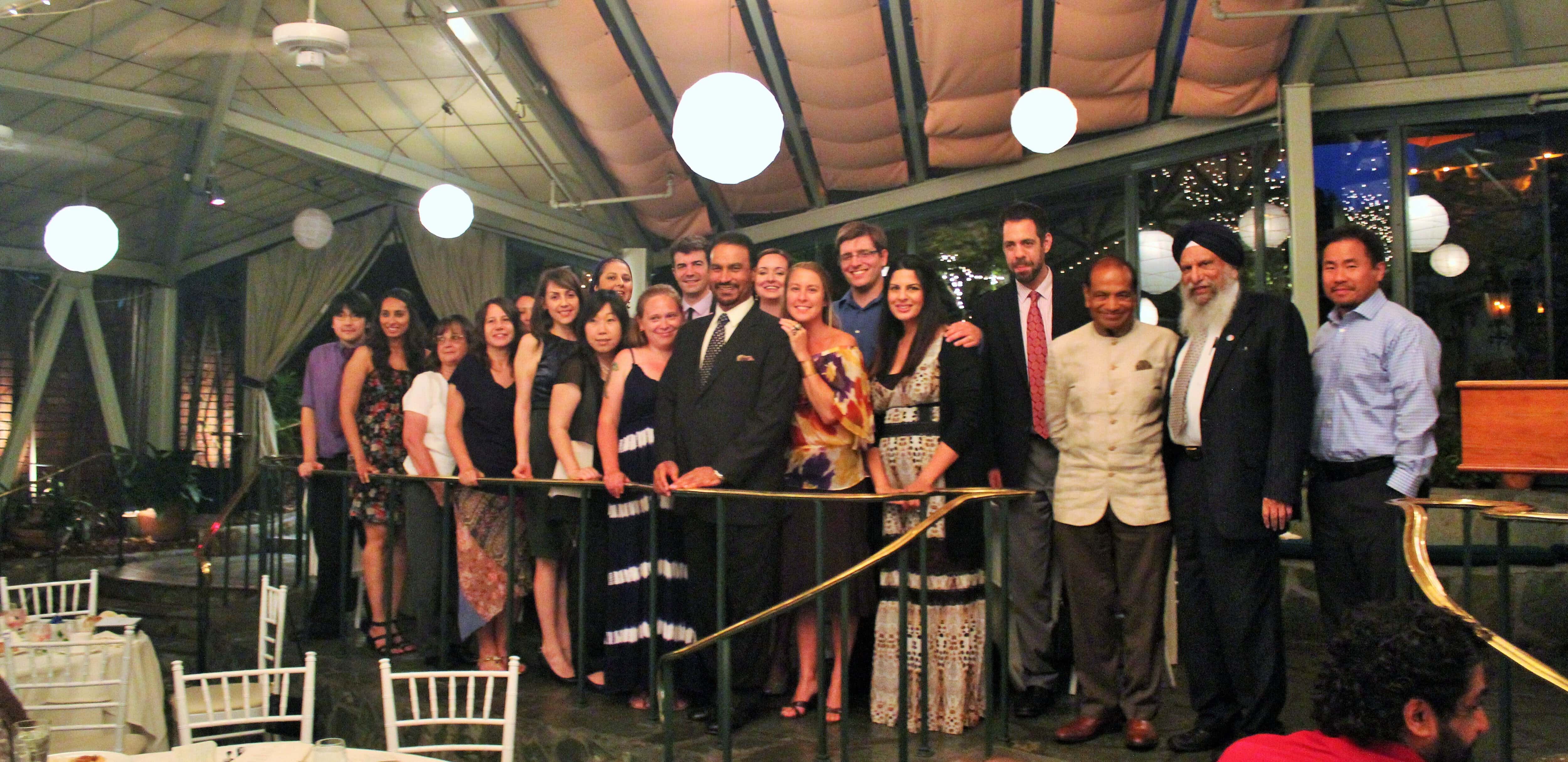
The Hume Center appreciates the trainees who give so much of themselves to the betterment of those we serve and the communities we impact. The Hume Center is greatly enhanced each year by these trainees and values their hard work and the uniqueness each brings to our learning community. The agency is proud that all of its programs have been developed by trainees, as this is the ultimate example of how the agency is enhanced through those it trains. In honor of the impact each and every trainee has on this agency and the local area, The Hume Center proudly hosts a splendid graduation ceremony and feast toward the end of each training year. Each trainee who is on track to successfully complete the training year is honored. In order to highlight examples of the impact we hope our trainees will continue to have in their communities in their future careers, we also honor special guests and community leaders that exemplify The Hume Center’s Mission Statement.
As a symbol of graduation, each trainee who graduates receives a limited edition Hume Center Mug with a quote from our founder on it. The quote changes each year. Want to see what quotes were on it in the past?
The tables are set for another grand graduation ceremony next year. Will you be one of the graduates?
Launch Your Career
The Hume Center is not just a place you’ll train at for a year and never look back. There’s a reason why the majority (sometimes as high as 100%) of our Doctoral Interns apply to stay on as Post-Doctoral Fellows and our Masters Trainees apply to stay on as Masters Associates! There are plenty of a reasons why all of our program directors and licensed supervisors are former trainees that decided to stay on after licensure Here are some of the reasons:
Community of Learners
We aim to be more than a place to collect hours; we aim to be a community of learners. A community that aims toward a non-judgmental, non-reactive, compassionate, and safe learning environment where everyone, including the supervisors and administrators, are works-in-progress. Supervisors often find their trainees to be the best teachers and are open to learning and growing throughout their careers.
Leadership Training
In most programs, one Post-Doctoral Fellow or Masters Associate is promoted to Lead Trainee. The duties of the Lead Trainee position vary by program, but the commonality is that this trainee gains supervision, leadership, quality assurance, program development, and outreach experience. The Lead Trainees meet once a week in a Peer Consultation group with the Chief of Community Mental Health as facilitator, to present their work and learn from this unique early career experience.
Opportunities for Growth
You never know when opportunities for professional development and exposure will present themselves during your training year. At The Hume Center, you will be encouraged to get outside of the office and do outreach, community organizing, presentations, networking, and consultation. These opportunities will diversify your training and help you develop the broad set of skills it takes to work in community mental health. And who knows, little opportunities might grow into larges ones, Check out this story of when one of our trainees had prepared to facilitate a small group break out session at a teen conference:
The Hume Center’s Hillary Burke delivers Keynote Address at Conference for Teens
Networking
Once you train at The Hume Center, you are a member of our community. That community extends beyond training or working here. You’ll have access to a network of over two hundred alumni of our training program, which instantly integrates you into a community of professionals, training opportunities, and job opportunities.
Collective Knowledge
You’ll gain access to the collective knowlege of around 25 trainees and 80 staff members, plus the alumni community. There’s always someone to call for consultation!
Connect With Us

